
Bone Injuries
Comprehensive Care for Bone Injuries in Boulder, Brighton, and Denver, CO
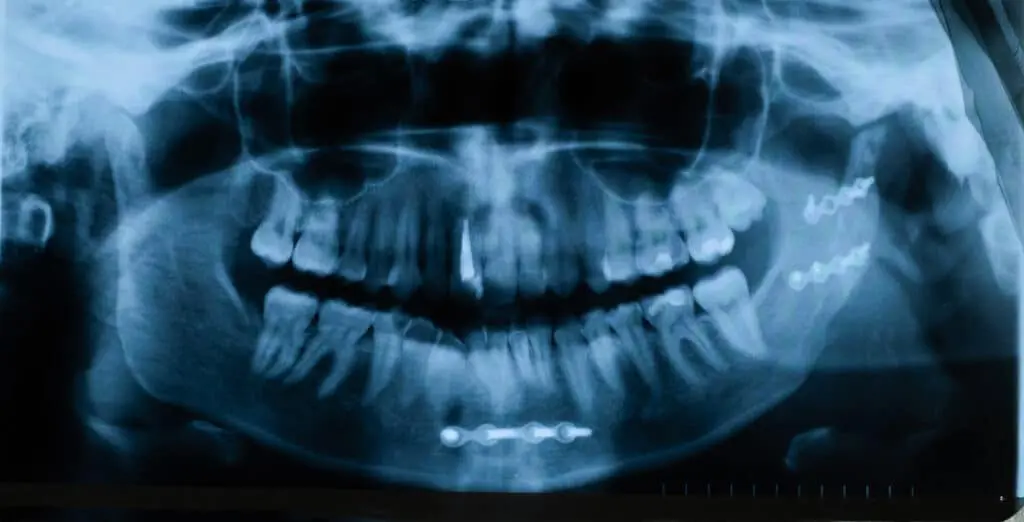
Comprehensive Treatment for Bone Trauma
Complexities of Bone Injury Management
Denver Oral & Maxillofacial Surgery excels in bone damage care. Our skill goes beyond injury treatment. Our well-established oral surgery practice and its three locations are well-regarded for their multifaceted approach to treating bone injuries, from simple fractures to complex oral and maxillofacial issues. We offer comprehensive bone injury treatment in Denver, Boulder, and Brighton, ensuring patients receive timely, personalized care close to home.
Customized Bone Injury Treatment Near You
Denver Oral & Maxillofacial Surgery begins with a thorough assessment and imaging to evaluate an injury’s full extent. Led by a board-certified oral and maxillofacial surgeon with extensive trauma experience, this knowledge allows for surgical and nonsurgical treatment plans tailored to each patient’s needs.
Experience in Advanced Bone Injury Surgery
Our surgeons have vast experience and skill in advanced bone injury surgeries of the oral and maxillofacial regions. Every injury, whether it’s a simple repair or a complex reconstruction, is treated with precision and care to ensure optimal functional recovery and healing while avoiding future issues.
Beyond Surgery: Customized Rehabilitation
Denver Oral & Maxillofacial Surgery believes healing goes beyond surgery. Fostering resilience and strength. Our post-operative care and rehabilitation regimens are stepping stones to complete recovery, helping patients rebuild strength and effortlessly return to their normal lives.
Why Denver Oral & Maxillofacial Surgery Treats Bone Injuries Best
Our expertise in treating a wide range of bone injuries and dedication to modern medicine makes us the top bone injury center in the Denver, Brighton, and Boulder areas.
Denver Oral & Maxillofacial Surgery can help you or a loved one heal from facial bone trauma. Schedule a consultation today to start your recovery and wellness journey.
FAQs About Bone Injury Treatment in Colorado
What should I do after a facial bone injury?
Get evaluated right away, since facial bone injuries can look minor at first but involve fractures that aren’t visible without imaging. If there is significant swelling, difficulty opening your mouth, numbness, misaligned teeth when biting down, or visible deformity, treat it as urgent and go to an emergency room or call an oral and maxillofacial surgery office the same day. Less severe cases can still benefit from prompt evaluation, since delaying treatment gives the bone more time to begin healing out of alignment. Dr. Matthew Schacht, a board-certified oral and maxillofacial surgeon with privileges at Rose Medical Center, Presbyterian St. Luke’s, Swedish Medical Center, St. Anthony Hospital, and the University of Colorado Hospital, evaluates and treats these injuries at Denver OMS locations in Denver, Boulder, and Brighton.
Do all facial bone fractures require surgery?
No. Some stable fractures that haven’t moved out of place can heal on their own with rest, a softer diet, and regular checkups to make sure the bone stays where it should. Fractures in the jaw, cheekbone, or eye socket are more likely to need surgery, especially if the bone has shifted or if your bite or vision is affected. The decision depends on scans and a physical exam, so seeing an experienced oral and maxillofacial surgeon is the best first step, even if the injury doesn’t look serious.
What happens if a facial bone fracture isn't treated?
If a fracture isn’t treated, the bone can heal out of place. This can cause long-term issues like an uneven bite, ongoing jaw pain, trouble chewing, or changes in how your face looks. Sometimes, a fracture near the eye socket can affect your vision or make your eyes look uneven, and fractures near nerves can lead to lasting numbness. The longer you wait to get treated, the more likely it is that fixing the problem later will require a more complicated surgery. That’s why it’s important to get checked early, even if the injury seems minor.
Where can I get treatment for a broken jaw in Colorado?
Denver Oral and Maxillofacial Surgery, led by board-certified surgeon Dr. Matthew Schacht, treats jaw fractures at locations in Denver, Boulder, and Brighton. Dr. Schacht earned his dental degree from the University of Michigan School of Dentistry, completed his residency in oral and maxillofacial surgery at the University of Miami and Jackson Memorial Hospital, and finished a fellowship in Dallas focused on TMJ and orthognathic surgery. He holds surgical privileges at several major Denver-area hospitals, and patients can call the office directly at (303) 341-7151 without a referral.
How much does facial bone fracture treatment cost?
The cost depends on how serious the fracture is, if surgery is needed, and whether you need to stay in the hospital. Simple fractures that heal without surgery usually cost less than more complicated ones that need plates, screws, or reconstruction. Since these injuries often happen by accident, medical insurance often covers at least part of the treatment, which is different from elective procedures. Most oral and maxillofacial surgery offices, including Denver OMS, will look at your injury and insurance during a consultation instead of giving a price up front. Scheduling an evaluation is the best way to get an accurate estimate.
What foods should I eat after jaw surgery?
Stick to a liquid or very soft diet for the first several days, as chewing can put pressure on the surgical site while it begins to heal. Smoothies, broth, yogurt, mashed potatoes, and pureed soups are good early options, and staying well hydrated matters just as much as what you eat, since limited food intake in the first few days can lead to dehydration if fluids aren’t increased to compensate. As healing progresses, usually over several weeks depending on the extent of the surgery, you can gradually add soft-cooked foods like eggs, pasta, and fish before working back toward a normal diet. Your surgeon will give you a specific timeline based on the type of jaw surgery performed.
