
NobelPearl Implants
Revolutionary NobelPearl Implants in Boulder, Brighton, and Denver, CO
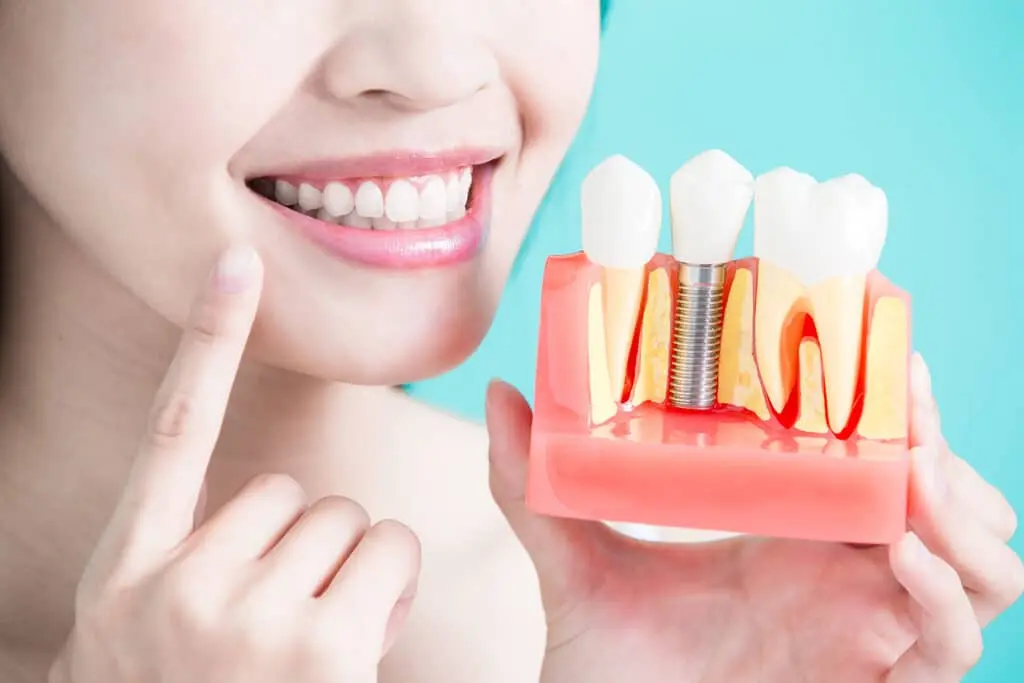
Dental implant treatment has advanced significantly in recent years. Patients with missing teeth now have several options for bringing back their confident smile. If you’ve been having second thoughts about dental implants because of the metal screws, the revolutionary NobelPearl Dental Implants in Denver, CO, might just make up your mind.
What are NobelPearl Dental Implants?
A NobelPearl implant is a name-brand product that offers a 100% metal-free dental implant to anchor your restorations. Instead of titanium, the implant is made out of Zirconia, a ceramic material that is designed for soft-tissue attachment and a thin mucosal biotype.
The white implant is divided into two components that fit into one another to offer more restorative flexibility compared to one-piece implants or cemented ceramic implants. The NobelPearl Zirconia implant is designed for excellent stability and can be used to accommodate single or multiple dental restorations.
One problem with Titanium implant screws is that they often show up at the bottom of the restorations. With NobelPearl dental implants, you can expect an aesthetically pleasing appearance that blends well with your gums.
Benefits of NobelPearl Implants
A dental implant in itself can bring wonders to your smile, but a NobelPearl ceramic dental implant has amazing benefits you will not achieve with a titanium implant.
1. Better Aesthetics
The color is arguably the most obvious advantage of a ceramic dental implant. The white color of ceramics provides strong aesthetic benefits, especially in patients with a thin or delicate soft tissue biotype. Zirconia implants also cause less mucosal discoloration than titanium implants. Patients who are extremely concerned about titanium’s potential visibility may find comfort in using a ceramic implant.
2. Perfect for Soft Tissue
Metal-free implants like NobelPearl Zirconia implants are biocompatible, meaning they are not harmful to living tissues. Even better, they are soft-tissue friendly. That’s why they cause less inflammation than titanium implants, but with similar effective osseointegration (merging of the implant and jawbone) results.
3. Less Plaque
The NobelPearl ceramic dental implant has proven to have low plaque attraction, high rate of corrosion resistance, and less bacterial adhesion. It also benefits patients who have allergies or sensitivities to the metals normally utilized in implant treatment.
Process of NobelPearl Implant Procedure
At Denver Oral & Maxillofacial Surgery, we offer NobelPearl Dental Implants in Denver, CO, to patients medically fit to undergo the procedure. During the surgery, the doctor will create a tiny incision in the gum tissue to reveal the bone underneath. The implant will then be firmly inserted into the jawbone. Afterward, the incisions are closed using stitches.
For up to six months, the NobelPearl ceramic dental implant will bond with the jawbone. The ceramic abutment, or support structure, that connects the implant screw to the restoration can be placed once the healing process is finished. The Inter-X internal connection, a carbon fiber screw, will give the screw and abutment extra stability. This connector is intended exclusively for use with ceramic implants.
On your next appointment, we will take an impression once the abutment is in position. This impression will be used by our lab technician to create your final ceramic restoration. You will get a tooth replacement that is both visually pleasing and long-lasting at the end of the procedure. Your ceramic restoration should ought to blend in perfectly with your original teeth.
NobelPearl Metal-Free Dental Implants in Denver, CO
There are many gains when opting for metal-free dental implant, like the NoberlPearl Dental Implant in Denver, CO. If you find this ceramic implant fitting to your dental needs and want to know more information, our team at Denver Oral & Maxillofacial Surgery is here to help.
Call us to book your appointment today!
Frequently Asked Questions about NobelPearl Implants
How do NobelPearl zirconia implants compare to standard titanium dental implants?
NobelPearl zirconia implants and standard titanium implants both restore missing teeth with strong, long-lasting results, but they differ in material, appearance, and ideal use cases. Zirconia is a white ceramic that blends naturally with gum tissue and avoids all metal content, while titanium is a proven metal alloy with the longest clinical track record in dentistry. Zirconia implants tend to be preferred by patients who want a metal-free option, those with thin gum tissue where a titanium implant might show through, patients with documented metal sensitivities, and anyone prioritizing biological compatibility. Titanium implants remain the gold standard for versatility and are backed by more than 50 years of clinical data, with wider size options for complex cases. Both materials achieve strong osseointegration, meaning they fuse successfully with the jawbone. Your surgeon will recommend the right material based on your specific anatomy, aesthetic goals, and health history.
How long do NobelPearl ceramic implants last compared to titanium?
NobelPearl zirconia implants are designed to last for decades with proper care, and clinical studies show comparable survival rates to titanium implants over the timeframes studied so far — generally in the 90-plus percent range at 5 years. Titanium implants have longer-term data (20-plus years of published follow-up), while zirconia data continues to accumulate. Lifespan depends heavily on factors within your control: consistent oral hygiene, regular professional cleanings, avoiding tobacco, and protecting the implant from excessive force through habits like grinding. The ceramic material itself is extremely durable and resistant to corrosion, staining, and plaque adhesion, which supports long-term stability. The restoration attached to the implant — the visible crown — typically has a shorter lifespan than the implant itself and may need replacement every 10 to 15 years. Your surgeon will walk through realistic expectations for your specific case.
Are NobelPearl implants more expensive than regular titanium implants, and does insurance cover them?
NobelPearl ceramic implants typically cost more than standard titanium implants because the material, precision manufacturing, and specialized placement protocols carry a higher price. Dental insurance coverage varies widely — many plans cover implants as a base benefit but may treat the ceramic upgrade as elective, leaving the difference as out-of-pocket. Insurance benefits for any implant depend on your specific plan, and coverage often includes the crown, abutment, and surgical placement at set percentages up to an annual maximum. Denver Oral & Maxillofacial Surgery can verify your benefits in advance and provide a written cost estimate before scheduling. Financing options may be available for patients who want to spread payments over time. Contact the office at 303-341-7151 to discuss your specific situation and get accurate pricing for your case.
Am I a candidate for NobelPearl implants if I have a titanium allergy or metal sensitivity?
Yes — NobelPearl implants are specifically designed as a metal-free alternative and are an excellent option for patients with documented titanium allergies, metal sensitivities, or a strong personal preference to avoid metal in the body. True titanium allergy is rare but well documented. It’s usually diagnosed through a specialized skin patch test or MELISA blood test ordered by an allergist or dermatologist, and symptoms can include chronic inflammation around existing metal implants, unexplained skin reactions, or persistent oral irritation. Patients who suspect a metal sensitivity without formal diagnosis are still often good candidates for ceramic implants — many choose zirconia for peace of mind or biological philosophy rather than a confirmed reaction. Bring any allergy testing records to your consultation. Even without a confirmed allergy, zirconia may still be recommended for patients with thin gum tissue where metal would show through, or those with a history of autoimmune conditions.
Can NobelPearl implants be used for full-arch restorations like All-on-X?
NobelPearl implants are primarily designed for single-tooth and multi-tooth restorations rather than full-arch treatments like All-on-X, which typically uses titanium implants strategically angled to maximize use of existing bone. Patients wanting a full-arch, metal-free solution should discuss options with their surgeon, since availability of ceramic full-arch systems is still evolving. Titanium remains the standard for full-arch restorations because of the specific tilting and immediate-load protocols involved, which have been extensively studied and validated with titanium. For patients determined to avoid metal but needing full-arch treatment, a phased approach with multiple zirconia implants may be possible in some cases, though it requires careful planning and typically longer overall treatment time. If you’re weighing All-on-X against ceramic implant options, a consultation with imaging will clarify what’s realistic for your specific bone structure and aesthetic goals.
What are the risks or downsides of choosing zirconia over titanium implants?
The main tradeoffs with zirconia implants are a shorter track record of long-term clinical data compared to titanium, fewer size and configuration options available for complex cases, and typically a higher cost. Serious complications are uncommon in properly placed cases. Zirconia is a rigid material, which means it’s less forgiving during placement than titanium — precision matters more, and the placement protocol is more demanding. This makes surgeon experience with ceramic implants particularly important. Ceramic implants may also be a poorer fit for patients with very small or narrow bone sites where smaller titanium options work better, and revision procedures can be more limited if a ceramic implant needs to be replaced later. That said, for the right candidate, zirconia performs comparably to titanium in the studied timeframes with the added benefits of aesthetics and metal-free biocompatibility. Your surgeon can honestly walk through which option fits your case better.
Do NobelPearl implants require bone grafting before placement?
NobelPearl implants require adequate jawbone volume and density for successful placement, just like titanium implants — so if you’ve lost significant bone from long-term missing teeth, trauma, or gum disease, you may need bone grafting or a sinus lift before implant placement. A cone-beam CT scan at your consultation confirms whether grafting is needed. Grafting requirements may actually be slightly higher for ceramic implants because zirconia is less forgiving with narrow bone sites than titanium, and the available implant diameters are more limited. When grafting is needed, healing typically takes four to six months before the implant can be placed. Some patients can have grafting and implant placement in the same appointment, while others need staged treatment — the right approach depends on the amount of bone loss and where in the jaw the implant is going.
Can I get NobelPearl implants if I already have titanium implants elsewhere in my mouth?
Yes — patients who already have titanium implants can still receive NobelPearl ceramic implants for new tooth replacement, and mixed-material implant cases are increasingly common in modern dentistry. Some patients begin with titanium and switch to ceramic later for aesthetic reasons or evolving personal preferences. Having existing titanium implants doesn’t create a problem for new zirconia placement, and there’s no evidence that the two materials interact with each other in the mouth. Some patients ask about removing existing titanium implants to replace them with ceramic — this is possible but adds significant complexity, cost, and healing time, so it’s usually only recommended when there’s a documented reaction to the existing implant. Your surgeon will review your current implants during consultation and confirm placement of any new ceramic implants can proceed safely alongside them.
How visible is the recovery from NobelPearl implant surgery, and when can I go back to work?
Most patients return to desk work within two to three days after NobelPearl implant placement, with visible swelling peaking at day two or three and gradually subsiding over the following week. Bruising along the jawline and mild facial puffiness are common but usually not dramatic. The first 48 hours bring the most noticeable symptoms — mild soreness, minor swelling around the implant site, and possibly small amounts of oozing from the surgical area. Most people manage discomfort with prescription or over-the-counter pain medication. You’ll be on a soft diet for one to two weeks and should avoid straws, smoking, and vigorous rinsing during the first several days. Physical jobs, workouts, and any activity that could raise blood pressure or risk trauma to the face should wait about a week. Full healing continues underneath the gum for up to six months as the implant fuses with the jawbone, but you’ll feel largely normal well before then.
Where can I find a dental surgeon who places NobelPearl implants near Denver, Boulder, or Brighton, CO?
Denver Oral & Maxillofacial Surgery places NobelPearl ceramic implants for patients across the Denver metro, Boulder, and Brighton communities. The main office is located at 30 Rampart Way, Suite 100, Denver, CO 80230, and consultations can be scheduled by calling 303-341-7151 or requesting an appointment online. Placing zirconia implants requires specific training and experience because the material is less forgiving than titanium and demands precise surgical technique. Not every oral surgeon offers the ceramic option, which makes it worth confirming during your search. The practice serves patients from three Front Range locations for convenient access — visit the Denver, Boulder, or Brighton pages for location-specific details. All three offices are led by experienced oral and maxillofacial surgeons with expertise in advanced implant systems including NobelPearl. New patients can review appointment prep and forms before their first visit.
