
Wisdom Tooth Extractions
Expert Wisdom Teeth Removal Services in Boulder, Brighton, and Denver, CO
Wisdom Teeth Extractions
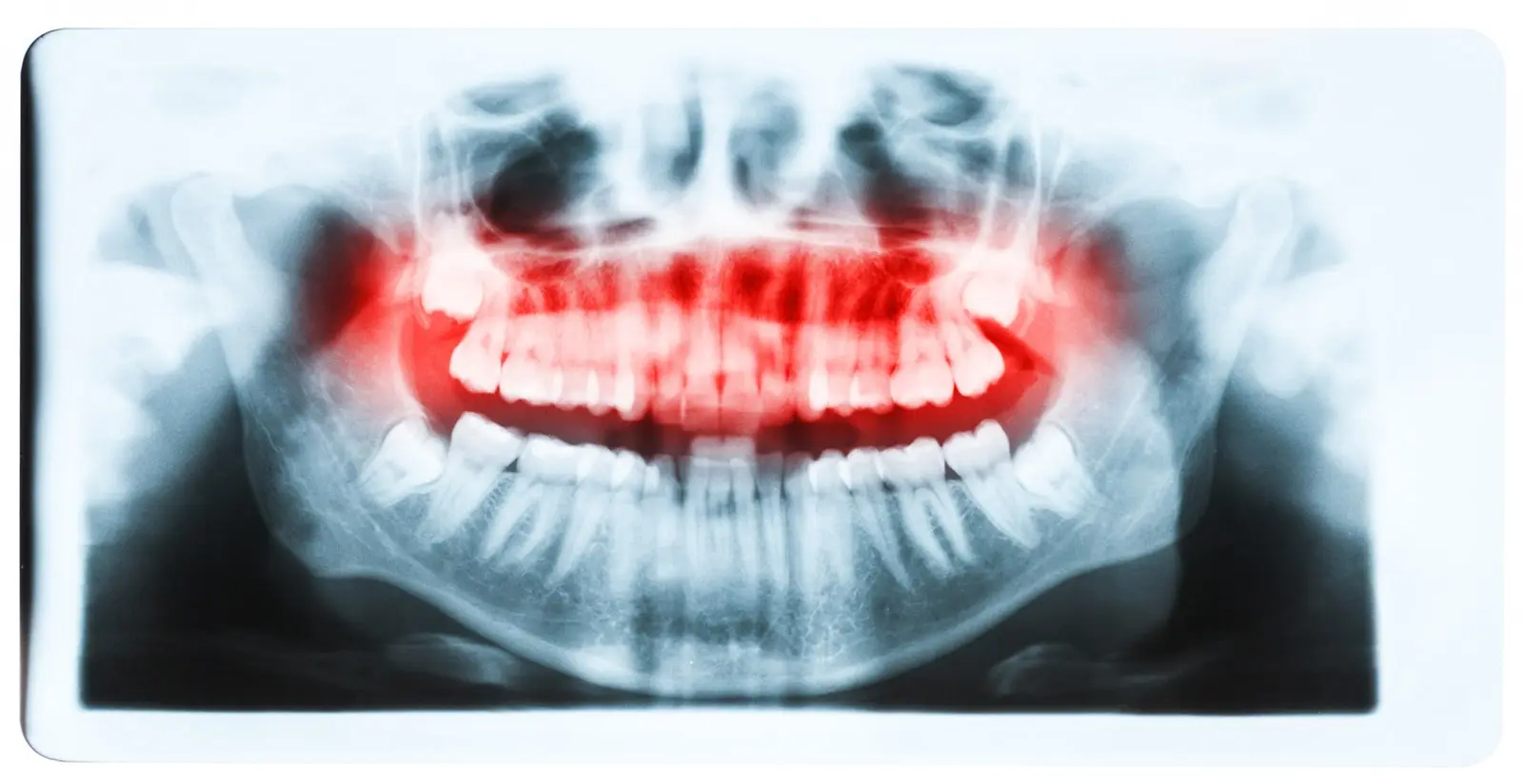
Wisdom tooth extractions are the removal of one or more of the four wisdom teeth, which are adult molars located in the back corners of your mouth on the top and the bottom. Many of our patients suffer from impacted wisdom teeth, which occur when there isn’t enough room for the wisdom teeth to come through or develop correctly. Wisdom teeth impaction can be incredibly painful and can cause your other teeth to shift around and become crooked as the wisdom teeth attempt to erupt. Patients throughout the Denver, Boulder, and Brighton areas commonly develop impacted wisdom teeth in their late teens or early twenties, which is why early evaluation is one of the most common reasons patients visit our offices.
If you are experiencing pain or suspect your wisdom teeth are impacted, schedule a consultation for wisdom teeth removal in Denver, Boulder, or Brighton, CO with the experienced team at Denver Oral & Maxillofacial Surgery.
Before Your Wisdom Teeth Are Removed
If your dentist has recommended that you have your wisdom teeth removed, he or she will take an X-ray of your mouth. Depending on what this X-ray shows, you may be referred to our office. Dr. Matthew Schacht and the team evaluate patients at our Denver, Boulder, and Brighton offices using detailed imaging to map the exact position of each wisdom tooth before recommending treatment. Before the procedure, we will discuss many things with you, including the method we’ll be using to remove the wisdom teeth, any possible complications, our sedation options, and any questions or concerns you may have.
Wisdom Tooth Extraction Procedure – What To Expect
If the tooth hasn’t yet erupted, Dr. Matthew Schacht will make a small incision into the gum to gain access to the tooth. He may also need to remove a small piece of bone that covers the tooth. Your wisdom tooth will sometimes be cut into smaller pieces to make it easier to remove through the incision. If the tooth has broken through the gum already, we won’t likely need to make an incision. However, the action of removing the tooth will require us to firmly rock the tooth back and forth, meaning you may feel some pressure, but no pain.
The amount of time it takes to remove wisdom teeth varies from person to person. Some people will only need one tooth removed, while others will need all four. Additionally, some cases are much more straightforward, while others present with a few complications. We’ll give you an estimate of how long your particular procedure should take.
Dr. Schacht is a board-certified oral and maxillofacial surgeon who completed his residency training under Dr. Robert Marx at the University of Miami and Jackson Memorial Hospital, one of the busiest oral surgery and trauma training programs in the country, giving him extensive hands-on experience with complex extractions.
After Wisdom Teeth Surgery
If you need to have incisions made in your gums, we will use dissolving stitches to close the wound. These stitches usually take around 7-10 days to dissolve completely. Sterile gauze will be placed over the wound, and gentle pressure will be applied to control bleeding. This will also allow a blood clot to form in the socket, which is very important in protecting and healing the socket. We know it’s difficult, but try to leave the blood clots alone. This means that for the next 24 hours, you should avoid:
- Smoking
- Drinking alcohol
- Sucking through a straw
- Rinsing your mouth out
- Drinking hot beverages like coffee, tea, or soup
- Strenuous physical activity
For more information on how to care for your extraction wounds, or to make an appointment for a wisdom tooth evaluation, please contact Denver Oral & Maxillofacial Surgery today. Recovery instructions and follow-up care are consistent across all three of our offices, so patients receive the same standard of care whether they’re treated in Denver, Boulder, or Brighton.
FAQs About Wisdom Tooth Removal in Colorado
Does wisdom tooth removal hurt?
During the procedure, you shouldn’t feel pain, as it’s performed under local anesthesia, IV sedation, or general anesthesia, depending on the complexity of the extraction and your comfort level. Most patients describe some pressure or pushing sensations during removal rather than sharp pain. Afterward, it’s normal to experience soreness, swelling, and mild discomfort for several days, which is usually well managed with prescribed or over-the-counter pain medication and ice packs. Dr. Matthew Schacht, a board-certified oral and maxillofacial surgeon, uses modern anesthesia and sedation options tailored to each patient.
How much does a wisdom tooth extraction cost?
The cost depends on how many teeth need to be removed, whether they are impacted or fully erupted, and the type of anesthesia used. Removing fully erupted teeth is usually less expensive than surgically removing impacted teeth that are still under the gum or bone. Dental insurance plans may help cover wisdom tooth removal, especially if the teeth are impacted or causing issues, so your out-of-pocket cost will depend on your coverage. Most oral surgery offices, including Denver OMS, will check your insurance and give you a cost estimate during your consultation before you schedule surgery.
Where can I get my wisdom teeth removed in Colorado?
Denver Oral and Maxillofacial Surgery, led by board-certified surgeon Dr. Matthew Schacht, performs wisdom tooth extractions at locations in Denver, Boulder, and Brighton. Dr. Schacht earned his dental degree from the University of Michigan School of Dentistry, completed his residency in oral and maxillofacial surgery at the University of Miami and Jackson Memorial Hospital, and finished a fellowship in Dallas focused on TMJ and orthognathic surgery. He is also part-time faculty at the University of Colorado School of Dental Medicine. No referral is needed, and patients can call the office directly at (303) 341-7151 to schedule a consultation.
What are the risks or complications of wisdom tooth extraction?
Like any surgery, wisdom tooth removal has some risks, but serious problems are rare when an experienced oral surgeon does the procedure. The most common issues are dry socket, where the healing blood clot comes out too soon and causes pain, along with temporary swelling, bruising, or trouble opening your mouth fully. Less common risks include infection, bleeding that lasts longer than usual, or, in rare cases with lower wisdom teeth, numbness if a nerve near the tooth root is affected. Seeing a board-certified oral and maxillofacial surgeon who uses detailed imaging, like Dr. Schacht, helps lower these risks because the surgical plan is based on the exact position of your teeth and nerves.
Is it better to remove all four wisdom teeth at once?
For some patients, yes. Removing all four wisdom teeth in a single procedure means only one recovery period and one anesthesia session rather than scheduling separate surgeries for each side. It also avoids the situation where teeth on one side continue to cause crowding, pain, or an increased risk of infection while you wait to address the other side. That said, the right approach depends on your specific case, including the extent of tooth involvement and your overall health, so a board-certified oral and maxillofacial surgeon will evaluate imaging and make a recommendation suited to your situation during a consultation.
Schedule a wisdom tooth consultation at our Denver, Boulder, or Brighton office and get an evaluation from a board-certified oral and maxillofacial surgeon. Call (303) 341-7151 to get started.
